Services
\Land Minning
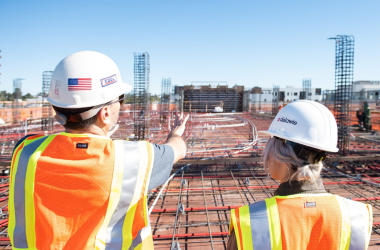
Types of Mining for Construction.
The methods used are primarily a form of surface mining, where materials are extracted from the Earth’s surface. Common techniques include:
Quarrying: This involves digging large, open pits to extract stone, gravel, and other rocks for use in construction.
Sand and Gravel Mining: This type of mining is often done in riverbeds, or in alluvial deposits where water has naturally concentrated sand and gravel.
Strip Mining: While more commonly associated with coal, this method can also be used for other minerals by removing a long “strip” of the overlying soil and rock to access the desired material.
Building Staffs
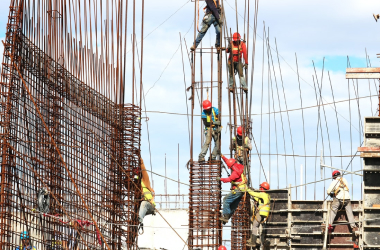
Building staff can be broadly categorized into two main groups:
1. Construction Staff (Pre-occupancy): These are the individuals responsible for the planning, design, and physical construction of the building. This team is temporary and disbands once the project is complete.
Architects and Engineers: They are the creative and technical minds behind the building. Architects design the building’s aesthetic and functional layout, while engineers (civil, structural, mechanical, electrical, etc.) ensure the design is structurally sound and that all building systems (plumbing, HVAC, power) are functional and safe.
Project Managers: They are the central coordinators of the entire construction process. Their responsibilities include planning, budgeting, scheduling, managing resources, and ensuring the project is completed on time and within budget.
Site Supervisors/Foremen: They oversee the day-to-day operations on the construction site. They manage the workforce, ensure safety protocols are followed, and coordinate with different trades to keep the project moving.
Skilled Labor: This includes a wide array of specialized professionals like masons, carpenters, plumbers, electricians, welders, and heavy equipment operators. They perform the hands-on work of building the structure and installing its components.
General Laborers: These workers handle a variety of physically demanding tasks, such as clearing the site, moving materials, and assisting skilled tradespeople.
2. Building Operations and Maintenance Staff (Post-occupancy): Once a building is complete and occupied, a different team is responsible for its day-to-day management and upkeep. This staff is permanent and ensures the building remains safe, clean, and functional.
Building/Facility Manager: This individual is responsible for the overall operations of the building. Their duties can include tenant relations, managing budgets, overseeing maintenance and repair, and ensuring compliance with all regulations.
Building Attendants/Maintenance Technicians: They perform a wide range of tasks, from routine cleaning and minor repairs (e.g., fixing a leaky faucet) to more complex maintenance of building systems (e.g., HVAC, electrical).
Security Personnel: They are responsible for the safety and security of the building’s occupants and assets. This includes monitoring surveillance systems, controlling access, and responding to emergencies.
Housekeeping and Cleaning Staff: They are crucial for maintaining the cleanliness and hygiene of all common areas and facilities within the building.
Material Supply
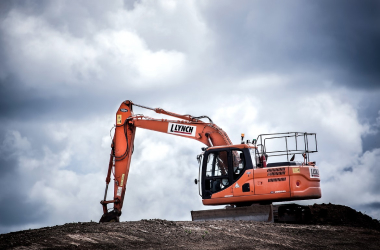
Ensuring Availability: The primary goal of material supply is to ensure that all necessary materials are available at the right time, in the right quantity, and of the right quality. This prevents delays in production or construction, which can be costly.
Cost Management: Effective material supply is crucial for controlling project costs. By managing procurement, reducing waste, and negotiating prices with suppliers, businesses can optimize their budget.
Quality Control: The process includes steps to ensure that the materials meet the required quality standards. Substandard materials can compromise the integrity of a final product or structure.

Consultancy
Lorem ipsum dolor sit amet, consectetur adipiscing elit. Pellentesque in ipsum.
Architecture
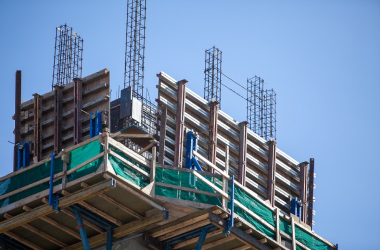
Lorem ipsum dolor sit amet, consectetur adipiscing elit. Pellentesque in ipsum.
Crane Service
Lorem ipsum dolor sit amet, consectetur adipiscing elit. Pellentesque in ipsum.